
Opanka ST, Sowutuom, Accra - Ghana
Mon-Fri 08:00 AM - 09:00 PM

Home / Blog Posts / The Difference Between an Electrical Engineer and an Electrician
07 Apr, 2026
Posted by Rich
0 comment
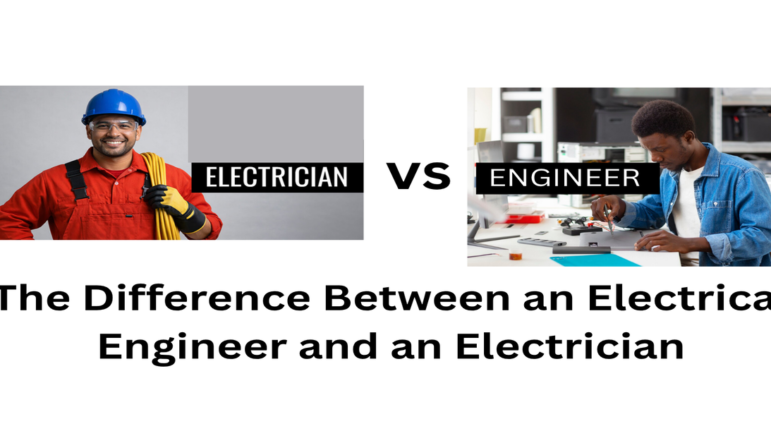
The Difference Between an Electrical Engineer and an Electrician
If you’ve ever wondered whether an electrical engineer and an electrician are the same, you’re not alone. The two titles sound alike, they both work with electricity, and everyday conversations often blur the line between them. Yet the reality is that these professions occupy very different places on the spectrum of the electrical world—different education paths, daily duties, work environments, and long‑term career goals. In this post we’ll unpack the key distinctions, give you a clear picture of what each role entails, and help you decide which path might be right for you (or simply satisfy your curiosity). Let’s dive in!
The Difference Between an Electrical Engineer and an Electrician: Understanding the Distinctions
Are you confused about the roles of electrical engineers and electricians? You’re not alone. Many people use these terms interchangeably, but they have distinct responsibilities and requirements. In this blog post, we’ll break down the key differences between these two professions, helping you understand their unique roles in the electrical industry.
What is an Electrical Engineer?
An electrical engineer is a professional who designs, develops, and tests electrical systems, including electrical circuits, electronics, and electromagnetism. They utilize their knowledge of mathematics and science to create innovative solutions to real-world problems. Electrical engineers work on a wide range of projects, from designing electrical systems for buildings and homes to developing new technologies like renewable energy systems and electric vehicles. They employ computer-aided design (CAD) software and other tools to create and test their designs.
What is an Electrician?
An electrician, on the other hand, is a skilled tradesperson who installs, maintains, and repairs electrical systems. They work with electrical wiring, circuits, and devices to ensure that electrical systems are safe and functioning properly. Electricians work on-site, often in construction or industrial settings, to install and maintain electrical systems. They may also work on residential projects, such as installing new electrical outlets or repairing faulty wiring.
The Bottom Line: Who Does What?
| Aspect | Electrical Engineer | Electrician |
|---|---|---|
| Core focus | Designing, developing, and testing electrical systems and technologies. | Installing, maintaining, and repairing electrical wiring, circuits, and equipment. |
| Typical output | Schematics, CAD models, simulation data, patents, system specifications. | Working‑site wiring, conduit runs, circuit‑breaker panels, on‑the‑spot repairs. |
| Primary workplace | Offices, R&D labs, engineering firms, tech companies, government labs. | Construction sites, factories, commercial buildings, homes, service trucks. |
| Typical education | Bachelor’s (often master’s) in Electrical Engineering or related field. | Apprenticeship + vocational school (often 4–5 years) + licensing. |
Education & Training – The Foundations
Electrical Engineer
- Formal schooling: A 4‑year Bachelor of Science (B.S.) in Electrical Engineering (EE) is the standard entry point. Many engineers continue on to a master’s or Ph.D. if they want to specialize in areas like power systems, robotics, or renewable energy.
- Core curriculum: Advanced mathematics (calculus, differential equations), physics (electromagnetism), circuit theory, signal processing, control systems, and computer‑aided design (CAD) tools such as MATLAB, SPICE, or SolidWorks.
- Professional credentials: In many countries, engineers can become Professional Engineers (PE) after passing an exam and acquiring work experience—this adds legal authority to sign off on certain projects.
Electrician
- Apprenticeship model: The most common route is a 4‑to‑5‑year apprenticeship that blends classroom instruction (typically 144–200 hours per year) with paid on‑the‑job training under a journeyman electrician.
- Technical school: Some start with a vocational program that covers electrical theory, safety codes (e.g., NEC in the U.S.), conduit bending, and basic troubleshooting.
- Licensing: After the apprenticeship, candidates must pass a state or provincial exam to become a licensed journeyman electrician. Many later earn a master electrician designation, which permits them to pull permits and run their own contracting business.
Job Responsibilities – From Sketch to Screwdriver
What Electrical Engineers Do
- Conceptual Design – Turn a client’s need (e.g., “a more efficient solar inverter”) into a functional specification.
- Modeling & Simulation – Use tools like ANSYS, PSpice, or Simulink to test ideas virtually before any hardware is built.
- Prototyping – Build and evaluate physical prototypes, often collaborating with technicians and PCB designers.
- Project Management – Oversee timelines, budgets, and cross‑disciplinary teams (mechanical, software, and industrial designers).
- Compliance & Standards – Ensure designs meet IEC, IEEE, UL, or other relevant standards.
What Electricians Do
- Installation – Run conduit, pull wire, install outlets, lighting fixtures, and distribution panels according to blueprints.
- Maintenance – Perform routine inspections, test circuits, replace faulty components, and keep systems running safely.
- Troubleshooting – Diagnose electrical failures using multimeters, thermal imagers, and code knowledge, then fix the problem on‑site.
- Safety Enforcement – Apply lockout/tagout (LOTO) procedures, ensure grounding, and verify that all work meets local electrical codes.
- Customer Interaction – Explain issues to homeowners or facility managers, provide cost estimates, and sometimes handle after‑hours emergency calls.
Work Environment – Office vs. On‑Site
| Factor | Electrical Engineer | Electrician |
|---|---|---|
| Typical setting | Desk, lab bench, conference room, or remote‑working environment. | Construction sites, industrial plants, residential homes, or commercial facilities. |
| Travel | May involve occasional site visits, client meetings, or field testing—usually a small percentage of time. | Frequently on‑the‑move; a day can involve traveling to multiple job sites. |
| Physical demands | Mostly sedentary (design work, meetings, computer modeling). | Physically active—lifting heavy equipment, climbing ladders, kneeling, and working in confined spaces. |
| Safety concerns | Exposure to high‑voltage labs or testing rigs, but protected by safety protocols and PPE. | Direct exposure to live electrical circuits; strict adherence to lockout/tagout and PPE is mandatory. |
Scope of Work – Breadth vs. Depth
Electrical Engineers get to shape the future. Whether it’s a smart‑grid algorithm, a next‑generation electric vehicle charger, or a medical imaging device, engineers are the architects of new technology. Their projects can span from macro‑scale power distribution to nano‑scale semiconductor design.
Electricians bring those ideas to life and keep them running. They translate engineering drawings into real‑world wiring, ensure that homes stay lit, factories stay powered, and that every circuit complies with safety standards. Their expertise is critical for the reliability and safety of every electrical system in existence.
Both roles are indispensable—engineers imagine, electricians realize.
Salary Snapshot (2024 U.S. Data)
| Role | Median Annual Salary | Typical Range |
|---|---|---|
| Electrical Engineer | $96,000 | $70k – $130k (varies by industry, experience, location) |
| Electrician (Journeyman) | $58,000 | $40k – $80k (higher for specialty trades like industrial or data‑center work) |
Note: Salaries can differ dramatically by region, certifications, and whether you’re self‑employed.
Which Path Suits You?
| Consideration | Electrical Engineer | Electrician |
|---|---|---|
| Love for math & theory? | ✅ | ❌ (basic theory needed, but not advanced math) |
| Enjoy hands‑on work? | Some, but mostly design & analysis | ✅ (daily physical work) |
| Interest in R&D or product development? | ✅ | ❌ |
| Desire for quick entry into the workforce? | Longer education (4+ years) | Apprenticeship can start earning in 1‑2 years |
| Entrepreneurial ambitions? | Can start a consulting firm | Can open a contracting business (often quicker) |
| Job mobility | Global—engineers can work for multinational firms | Usually local/regional, but high demand everywhere |
If you thrive on solving abstract problems, enjoy computer simulations, and want to work on cutting‑edge technology, electrical engineering may be your calling. If you prefer a tangible, hands‑on career that lets you see the immediate impact of your work—plus the possibility of starting your own trade business—becoming an electrician might be the better fit.
Frequently Asked Questions
Q: Can an electrician become an electrical engineer?
A: Yes, but you’d need to earn a bachelor’s degree in electrical engineering (or a related field). Some community colleges offer bridge programs that credit your apprenticeship experience toward a degree.
Q: Do engineers ever need a license to work on building wiring?
A: Generally, engineers design the systems, but the actual installation and code‑signoff must be done by a licensed electrician or contractor. In some jurisdictions, a professional engineer (PE) can stamp designs for certain high‑voltage or public‑utility projects.
Q: Which career has better job security?
A: Both are in high demand. The U.S. Bureau of Labor Statistics projects a 7‑8% growth for electrical engineers and 8‑9% growth for electricians through 2034, reflecting the expanding need for renewable energy, smart infrastructure, and ongoing maintenance of existing systems.
Q: How do continuing education requirements differ?
A: Engineers often maintain certifications (e.g., PE, PMP) and may attend industry conferences or take graduate courses. Electricians must keep up with code updates (NEC revisions) and may need to complete a certain number of continuing education hours to retain their license.
Wrap‑Up: Two Sides of the Same Coin
Both electrical engineers and electricians are essential cogs in the massive machine that powers modern life. Engineers invent, design, and innovate; electricians install, maintain, and protect. Understanding the distinct pathways, responsibilities, and work settings helps you appreciate the full lifecycle of any electrical project—from concept sketches on a CAD screen to the clean click of a breaker turning on a light.
Whether you’re choosing a career, hiring for a project, or simply satisfying your curiosity, keep these differences in mind. The next time you see a brilliant new electric vehicle or a perfectly wired home, you’ll know exactly who’s behind each piece of the puzzle.
Trustindex verifies that the original source of the review is Google. Thank you Mega Solution Electrical Engineering for your prompt and Professional Electrical Service in Tema Sakumono( C.O.P Sophia Cudjoe Temple) We will always get in touch for further contracts. Good Job!Posted onTrustindex verifies that the original source of the review is Google. I hired a licensed electrician from mega solution electrical in Kumasi, the service was done professionally and met all standards. It gave me peace of mind. I will recommend them to every bodyPosted onTrustindex verifies that the original source of the review is Google. They’re the best and most reliable electrical company in Ghana I’ll always recommend them to everyonePosted onTrustindex verifies that the original source of the review is Google. Thanks for solving our electrical problem so fast, coming all the way to Cantonments.Posted onTrustindex verifies that the original source of the review is Google. Mega Solution demonstrates exceptional expertise in genset systems. Their professionalism, technical proficiency, and industry experience set them apart. I highly recommend their services to anyone seeking reliable and knowledgeable partners in this field.Posted onTrustindex verifies that the original source of the review is Google. This best experience I had in a while, Richard provided all the help I was looking for. Thank you, this is a 10 Stars service!Posted onTrustindex verifies that the original source of the review is Google. Best electrical company in GhanaPosted onTrustindex verifies that the original source of the review is Google. Best Electrician in Ghana | best electrical engineer at good location | over 30 years experience | good electrical service. Thank you so much. I’m very happy
When searching for a reliable electrician, call us at +233 24 415 1232 We specialize in electrical repairs, indoor and outdoor lighting installations, panel upgrades, and even hot tub wiring!
Always Hire Professional Electrical Energy and Power Auditors
No matter urgent any electrical repairs seem, it’s never okay to attempt to handle them on your own. Trying to take care of electrical problems without professional training is extremely dangerous. If you or someone else aren’t hurt during your attempt, there’s still a chance that you’ve left something undone that poses a huge risk to you, your home, or your family.
Electrical Power and Wiring Audit in Accra – Ghana
mega solution electrical Power and wiring audit in Accra, Ghana knows what a hassle any electrical problems can be, which is why we’ll always respond to any requests for service as quickly as possible. And because all of our technicians are licensed, background checked, and professionally trained, you’re guaranteed to receive the best quality service and workmanship available when you call us. We can assist with all your electric needs including:
- Generator Installation and Repair Services
- Best Industrial Electrical Automation services
- Best Electric Motor Rewinding Services
- Earthing Installations and Upgrades Services
- Electro-Mechanical services
- Lighting Installation
- Residential Electrical Installation Services
- Electrical Panel Replacement
- LED Lighting
- Industrial electrical Installation Services
- Electrical Troubleshooting and Repairs
- Professional Electrical Support and Training Services
- Electrical Wiring Design and Engineering Services
- Electrical Energy and Power Auditing Services
- Distribution Panels Fabrication and Upgrades Services
- Professional electrical contractors in Ghana
- Commercial electrical Installation Services
- Licensed Electricians in Ghana
- Home Wiring
- Consulting and Advisory services
- Electrical Wirings Testing and Inspection Services
- Wiring Replacement and Upgrade Services
- Residencial, commercial and Industrial wiring Services
Search
Electrical Wiring Contract – What Can Go Wrong or Right
Generator Service Experts in Ghana, When the Lights Go Out – Mega Solution Electrical to the Rescue!
Categories
- Certified Electricians Ghana
- Commercial Electrical Services
- Commercial Installation
- Consulting Services
- Contracting Services
- Control Systems
- Distribution Panel Fabrication
- Earthing Installations
- Earthing Maintenance
- Electrical Consulting
- Electrical Contractors
- Electrical Installation Ghana
- Electrical Maintenance Ghana
- Electrical Repair Ghana
- Electrical Safety
- Electrical Services
- Electrical Training
- Energy Auditing
- Engineering Services
- Generator Installation
- Generator Load Testing
- Generator Repair
- Generator Services
- Generator Servicing Ghana
- Ghana Electrical Licensing
- Ghana Electrical Services
- Industrial Electrical Services
- Industrial Installation
- Industrial Services
- Industrial Solutions
- Installation Services
- Licensed Electricians
- Motor Rewinding
- Residencial Installation
- Residential Electrical Service
- Residential Services
- Uncategorized
Archive
| M | T | W | T | F | S | S |
|---|---|---|---|---|---|---|
| 1 | 2 | 3 | 4 | 5 | ||
| 6 | 7 | 8 | 9 | 10 | 11 | 12 |
| 13 | 14 | 15 | 16 | 17 | 18 | 19 |
| 20 | 21 | 22 | 23 | 24 | 25 | 26 |
| 27 | 28 | 29 | 30 | |||
Tags
- Automation
- Commercial Electrical Contracting
- Commercial Electrical Installation Ghana
- Commercial Electrical Repair
- Commercial Electrical Wiring
- Domestic Electrical Wiring
- Earthing Installations and Upgrades Services
- Earthing Systems
- Earthing System Upgrades
- Electrical
- Electrical Advisory Service
- Electrical Automation Services
- Electrical CAD Design
- Electrical Company
- Electrical Contractors in Ghana
- Electrical Energy and Power Auditing Services
- Electrical Energy Auditing
- Electrical Outlet Installation
- Electrical Panel Upgrades
- Electrical Repair Services
- Electrical Support and Training Services
- Electrical Wiring Design and Engineering Services
- Electrical Wiring Design Ghana
- Electrical Wiring Upgrades
- Electricians
- Electricians in Ghana
- Electric Motor Repair
- Electric Motor Rewinding
- Electric Motor Rewinding Services
- Factory Electrical Installation
- Generator Installation and Repair Services
- Generator Repair Services
- Industrial Electrical Contracting
- Industrial Electrical Installation Ghana
- Industrial Electrical Maintenance
- Industrial Electrical Wiring
- Industrial generator repair services
- Installations
- Licensed Electrical Contractors Ghana
- Licensed Electricians in Ghana
- Residential Electrical Installation Ghana
- Residential Electrical Maintenance
- Residential Electrical Repair
- Residential standby generator repair
- Wiring Installation Design
Prayer Warfare
