
Home / Blog Posts / Registered Electrical Contractor in Ghana
02 Nov, 2024
Posted by Mega Solution Electrical Engineering Ltd
0 comment
Registered Electrical Contractor in Ghana
Hiring an unregistered electrical contractor in Ghana is one of the most financially and legally consequential mistakes a property owner can make. Unregistered contractors produce installations that fail prematurely, create fire and shock hazards, invalidate building insurance, and expose property owners to regulatory liability. The Energy Commission of Ghana maintains a register of contractors who have met the technical, safety, and professional standards required to carry out electrical work legally in Ghana. Engaging a registered electrical contractor is not simply a preference. It is a legal and financial necessity.
What a Registered Electrical Contractor in Ghana Is
A registered electrical contractor is a company or individual that holds a valid licence issued by the Energy Commission of Ghana, the statutory body responsible for regulating electrical installations and the professionals who carry them out across the country.
Registration confirms several things simultaneously. It confirms that the contractor has the technical knowledge required to design and install electrical systems in compliance with the Ghana Electrical Wiring Regulations 2011 (L.I. 2008). It confirms that the contractor has the practical experience necessary to carry out that work safely. It confirms that the contractor has the legal authority to issue the Electrical Installation Certificates that L.I. 2008 requires on completion of new installations and significant alterations.
A registered electrical contractor differs from a general electrician in scope and responsibility. A general electrician carries out specific tasks within a project. A registered electrical contractor manages the entire electrical project from initial design and load assessment through to installation, inspection, testing, and certification. This end-to-end responsibility makes the registered contractor the appropriate choice for any project where regulatory compliance and documentation are required.
Why Registration Matters for Property Owners in Ghana
The consequences of engaging an unregistered electrical contractor extend well beyond the quality of the immediate work.
Unregistered electrical work does not comply with L.I. 2008 and cannot receive a valid Electrical Installation Certificate. Insurance companies across Ghana treat non-compliant electrical installations as grounds for refusing claims where electrical faults cause fire or property damage. This means a property owner who engages an unregistered contractor to save money on labour may face the full cost of fire damage or equipment loss without any insurance recovery.
Regulatory liability is a further risk. Local authorities and the Energy Commission of Ghana increasingly require evidence of registered electrical contracting as a condition of occupancy certificates and operating licences for commercial and industrial properties. A property with non-compliant electrical work faces delays, remediation costs, and potential enforcement action.
Beyond legal and financial risk, unregistered electrical work creates physical danger. Incorrectly sized cables overheat. Inadequate earthing systems fail to protect occupants during faults. Incorrectly rated protective devices fail to interrupt fault currents before they cause damage. These conditions develop silently inside walls and distribution boards, announcing themselves only when a fault strikes.
What Sets Registered Electrical Contractors Apart in Ghana
Registered electrical contractors in Ghana operate under a framework of professional and regulatory obligations that unregistered operators do not face.
A registered contractor carries the technical knowledge to assess a site correctly, calculate electrical loads accurately, select appropriately rated equipment, and install it in compliance with L.I. 2008. This technical foundation eliminates the guesswork that characterises unregistered electrical work.
Registered contractors also carry professional accountability. They issue Electrical Installation Certificates that bear their licence number and signature, creating a documented record of the work and a clear line of professional responsibility. If the installation subsequently fails to meet the required standard, the registered contractor bears the professional and legal consequences.
Professional electrical contractors in Ghana combine this regulatory accountability with the project management expertise to deliver complete electrical installations across residential, commercial, and industrial sectors. They collaborate with engineers, architects, and project managers to ensure the electrical installation integrates correctly with the broader construction programme and meets the specific operational requirements of the completed facility.
The Certified Electrical Wiring Professional Qualification
In Ghana, the Certified Electrical Wiring Professional (CEWP) qualification, administered through the Energy Commission of Ghana, validates a practitioner’s knowledge of both local electrical codes and international best practices. The CEWP qualification confirms that the holder has demonstrated competence in electrical wiring design, installation, and certification to the standard required by L.I. 2008.
Property owners and facility managers should look for electrical contractors whose team members hold CEWP qualifications in addition to the contractor’s own Energy Commission registration. This combination confirms that both the contracting company and the individual practitioners carrying out the work meet the required professional standard.
Certified electricians in Ghana who hold both Energy Commission licences and CEWP qualifications bring the highest level of verified competence to electrical installation projects across the country.
How to Verify a Registered Electrical Contractor in Ghana
Verifying the registration status of an electrical contractor before engaging them takes minutes and eliminates significant risk.
Step 1: Request the Energy Commission licence number.
Every registered electrical contractor holds a licence number issued by the Energy Commission of Ghana. A legitimate contractor provides this number willingly and without hesitation. An unregistered operator cannot produce it.
Step 2: Verify directly with the Energy Commission of Ghana.
The Energy Commission of Ghana can confirm whether a specific contractor holds a valid, current licence. Contact the Energy Commission directly with the licence number provided to verify its status.
Step 3: Check for Ghana Institution of Engineering membership.
The Ghana Institution of Engineering (GhIE) maintains a register of qualified engineering professionals across disciplines including electrical engineering. GhIE membership provides an additional layer of professional verification beyond the Energy Commission licence.
Step 4: Request references from completed projects.
A registered contractor with a genuine track record of completed projects provides references willingly. Contact those references directly to verify the quality, timeliness, and compliance of the work carried out.
Step 5: Request a written, itemised quotation.
A professional registered contractor provides a written quotation that specifies the scope of work, the materials to be used, the timeline, and the total cost before any work begins. A contractor who refuses to provide written documentation or who pressures a client to agree verbally and begin immediately should not be engaged.
Red Flags That Indicate an Unregistered Contractor
Several warning signs indicate that an electrical contractor may not hold valid registration with the Energy Commission of Ghana.
An inability or unwillingness to produce an Energy Commission licence number is the most definitive warning sign. No licence means no registration. No registration means the contractor has no legal authority to carry out electrical work in Ghana.
Significantly lower quotations than comparable registered contractors frequently reflect the use of substandard materials, the absence of professional insurance, and the absence of the testing and certification processes that registered contractors are required to complete.
Reluctance to provide a written quotation, vague answers about compliance and certification, and pressure to begin work immediately without documentation all indicate a contractor who does not operate within the professional framework that registration requires.
Frequently Asked Questions: Registered Electrical Contractor in Ghana
What is the difference between a registered electrical contractor and a general electrician in Ghana?
A registered electrical contractor holds a valid licence from the Energy Commission of Ghana. The licence carries full legal authority to manage complete electrical projects. It also authorises the contractor to issue Electrical Installation Certificates. The contractor takes full regulatory responsibility for the compliance of every installation. A general electrician carries out specific installation or repair tasks. A general electrician may not hold the contractor licence required to issue completion certificates. Full project responsibility therefore rests with the registered contractor, not the individual electrician.
How do I verify that an electrical contractor is registered in Ghana?
Request the contractor’s Energy Commission of Ghana licence number and verify it directly with the Energy Commission. A registered contractor provides their licence number without hesitation. The Energy Commission can confirm whether the licence is current and valid. GhIE membership provides additional verification of professional standing.
Is it a legal requirement to use a registered electrical contractor in Ghana?
Yes. The Ghana Electrical Wiring Regulations 2011 (L.I. 2008) require that electrical installation work be carried out by competent, licensed professionals. Only registered electrical contractors hold the legal authority to issue the Electrical Installation Certificates that L.I. 2008 requires. Engaging an unregistered contractor produces non-compliant work that cannot receive valid certification and exposes the property owner to insurance and regulatory liability.
What documentation should a registered electrical contractor provide on completion of work?
A registered electrical contractor issues an Electrical Installation Certificate on completion of new installations. Significant alterations to existing installations also require an Electrical Installation Certificate on completion. The certificate is accompanied by schedules of inspection and test results. These schedules document every check and measurement made during the process. For periodic inspections of existing installations, the contractor issues an Electrical Installation Condition Report. Both documents bear the contractor’s licence number and signature.
Can a registered electrical contractor work across all sectors in Ghana?
Yes. A registered electrical contractor licensed by the Energy Commission of Ghana works across all sectors. This covers residential, commercial, and industrial electrical installation work. Specific types of work require additional specialist qualifications. Installations in classified hazardous areas are one example. High voltage installations are another. Clients should confirm the contractor has relevant experience in their specific sector. Confirming experience in the specific project type before engaging is equally important.
Contact Mega Solution Electrical Engineering Ltd
Mega Solution Electrical Engineering Ltd is a registered electrical contractor licensed by the Energy Commission of Ghana and the Ghana Institution of Engineering. The company delivers residential, commercial, and industrial electrical installation, maintenance, and repair services across Ghana from its base in Sowutuom, Accra.
To verify Mega Solution Electrical Engineering’s registration, request a written quotation, or discuss your electrical contracting requirements, contact the team directly.
Always Hire a Professional Electrical contractor
No matter urgent any electrical repairs seem, it’s never okay to attempt to handle them on your own. Trying to take care of electrical problems without professional training is extremely dangerous. If you or someone else aren’t hurt during your attempt, there’s still a chance that you’ve left something undone that poses a huge risk to you, your home, or your family. In fact, faulty electrical wiring is the number one cause of house fires in the United States, according to the National Fire Protection Agency. So in order to make sure that your home is safe, always rely on professional Electrical Contractor for your electrical services needs. Visit Our Google Business Profile
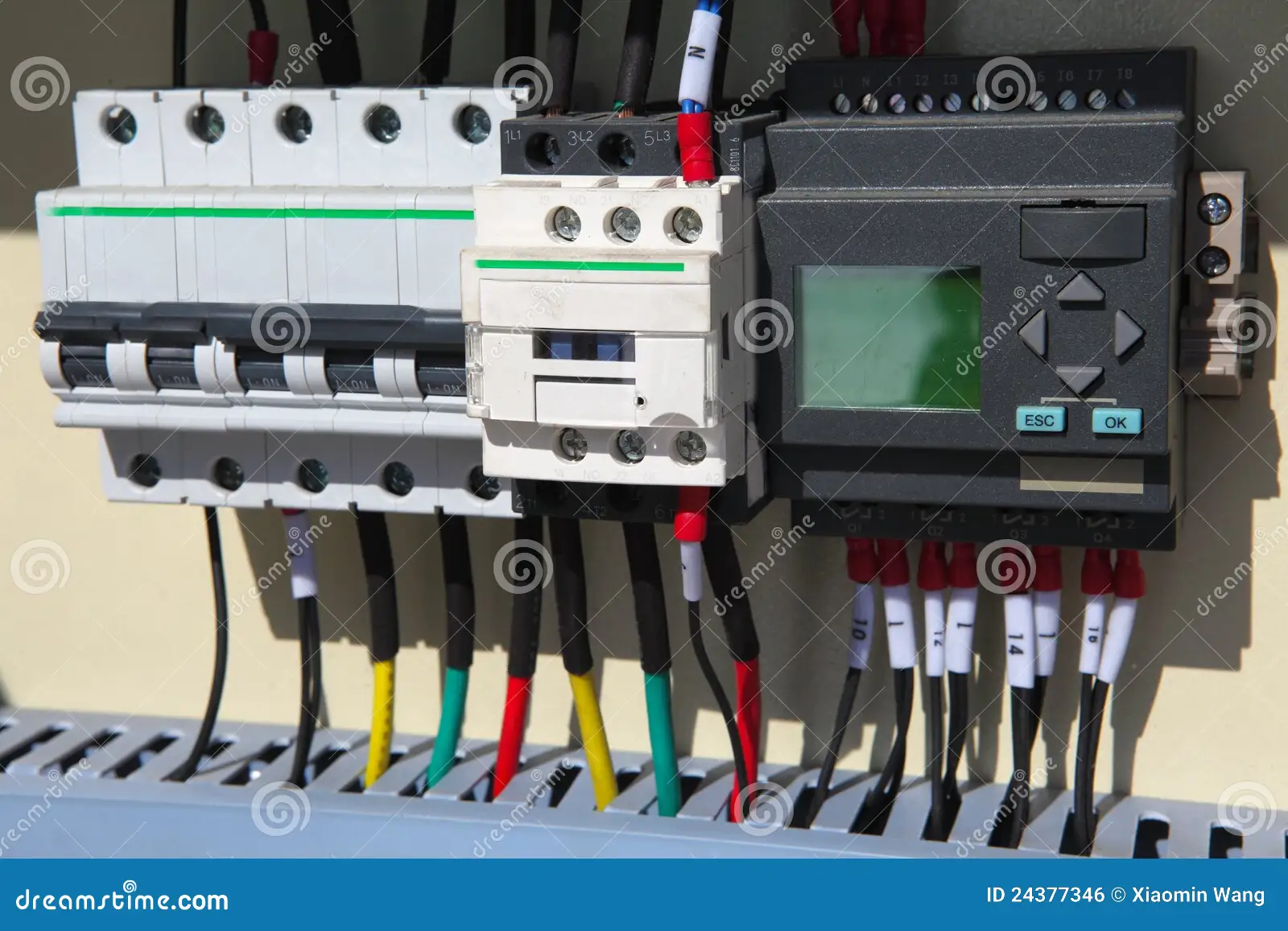
Mega Solution Electrical Engineering – Registered Electrical Contractor in Ghana
Our registered electrical contractors technicians know what a hassle any electrical problems can be, which is why we’ll always respond to any requests for service as quickly as possible. And because all of our technicians are licensed, background checked, and professionally trained, you’re guaranteed to receive the best quality service and workmanship available when you call us. We can assist with all your electric needs including:
- Generator Installation and Repair Services
- Best Industrial Electrical Automation services
- Best Electric Motor Rewinding Services
- Earthing Installations and Upgrades Services
- Electro-Mechanical services
- Lighting Installation
- Residential Electrical Installation Services
- Electrical Panel Replacement
- LED Lighting
- Industrial electrical Installation Services
- Electrical Troubleshooting and Repairs
- Professional Electrical Support and Training Services
- Electrical Wiring Design and Engineering Services
- Electrical Energy and Power Auditing Services
- Distribution Panels Fabrication and Upgrades Services
- Professional electrical contractors in Ghana
- Commercial electrical Installation Services
- Licensed Electricians in Ghana
- Home Wiring
- Consulting and Advisory services
- Electrical Wirings Testing and Inspection Services
- Wiring Replacement and Upgrade Services
- Residencial, commercial and Industrial wiring Services
When searching for a reliable electrician, call us at +233 24 415 1232 We specialize in electrical repairs, indoor and outdoor lighting installations, panel upgrades, and even hot tub wiring!

Mega Solution Electrical Engineering Ltd
Mega Solution Electrical Engineering Ltd, a licensed and certified electrical engineering company in Ghana specializing in electrical contracting, generator maintenance, energy audits, and industrial electrical services.
Search
Electrical Wiring Contract – What Can Go Wrong or Right
Generator Service Experts in Ghana, When the Lights Go Out – Mega Solution Electrical to the Rescue!
Categories
- Certified Electricians Ghana
- Earthing Installations
- Earthing Maintenance
- Electrical Consulting
- Electrical Contractors
- Electrical Installation Ghana
- Electrical Maintenance Ghana
- Electrical Repair Ghana
- Electrical Safety
- Electrical Training
- Energy Auditing
- Engineering Services
- Generator Installation
- Generator Maintenance Ghana
- Generator Repair
- Generator Services
- Generator Servicing Ghana
- Ghana Electrical Licensing
- Ghana Electrical Services
- Installation Services
- Licensed Electricians
- Motor Rewinding
- Residential Electrical Service
Archive
| M | T | W | T | F | S | S |
|---|---|---|---|---|---|---|
| 1 | 2 | 3 | 4 | 5 | 6 | |
| 7 | 8 | 9 | 10 | 11 | 12 | 13 |
| 14 | 15 | 16 | 17 | 18 | 19 | 20 |
| 21 | 22 | 23 | 24 | 25 | 26 | 27 |
| 28 | 29 | 30 | ||||
Tags
- Agricultural Engineering
- Cable Sizing
- Commercial Electrical Contracting
- Earthing Installations and Upgrades Services
- Earthing Systems
- Earthing System Upgrades
- Electrical Advisory Service
- Electrical Company
- Electrical Contractors in Ghana
- Electrical Design Ghana
- Electrical Energy and Power Auditing Services
- Electrical Energy Auditing
- Electrical Load Calculation
- Electrical Panel Upgrades
- Electrical Repair Services
- Electrical Safety Training Ghana
- Electrical Services Ghana
- Electrical Training Services Ghana
- Electrical Troubleshooting
- Electrical Wiring Certificate Ghana
- Electrical Wiring Design and Engineering Services
- Electrical Wiring Design Ghana
- Electrical Wiring Installation
- Electrical Wiring Upgrades
- Electrical Workshop Training
- Electricians
- Electricians in Ghana
- Engineering Services Ghana
- Generator experts in Ghana
- Generator Installation and Repair Services
- Generator Maintenance Contracts
- Generator Maintenance Ghana
- Generator Repair Services
- Industrial Electrical Wiring
- Industrial Generator Maintenance
- Industrial generator repair services
- Licensed Electrical Contractors Ghana
- Licensed Electricians in Ghana
- Lightning Protection Systems
- Power Auditing Services
- Professional Electrical Support
- Residential Electrical Installation Ghana
- Three Phase Power
- Voltage Drop
- Workplace Electrical Safety
Prayer Warfare
Recent Comments
