
Home / Blog Posts / How to Choose the Right Generator
28 Jan, 2025
Posted by Mega Solution Electrical Engineering Ltd
0 comment
How to Choose the Right Generator
Choosing the right generator is one of the most important decisions a homeowner, business owner, or facility manager can make. This guide covers power requirements, single-phase and three-phase systems, fuel types, load capacity, and brand reliability to help you make a confident and informed decision.
How to Choose the Right Generator: A Complete Guide for Homeowners and Businesses
Choosing the right generator is one of the most important decisions a homeowner, business owner, or facility manager can make. A poorly chosen generator will fail to meet demand at the moment it is needed most. This leaves properties without power during outages that can last hours or even days. A correctly specified generator, professionally installed and properly maintained, provides reliable backup power that protects lives, preserves equipment, and keeps businesses operational regardless of what the national grid delivers.
Power outages are a persistent reality across Ghana. For residential properties, an outage means spoiled food, security vulnerabilities, and disruption to daily life. For businesses, every hour without power translates directly into lost revenue, damaged equipment, and frustrated customers. For industrial facilities, unplanned downtime carries consequences that extend far beyond inconvenience. The right generator eliminates all of these risks.
Selecting the correct generator requires more than buying the largest or cheapest unit available. It demands a clear understanding of power requirements, the difference between single-phase and three-phase systems, available fuel types, load capacity, brand reliability, and spare parts availability in the local market. This guide covers each of these factors in detail, giving property owners and facility managers the knowledge to make a confident and informed decision.
Why You Need a Generator
A generator is not a luxury. For most homes, businesses, and industrial facilities operating in Ghana ang other African’s countries, it is a practical necessity. Grid instability, storm damage, and infrastructure failures create outages that occur without warning and last without predictable end.
For residential properties, a generator keeps refrigerators running, preserves food, maintains security systems, and ensures that critical medical equipment such as oxygen machines and refrigerated medication remains operational. For businesses, it eliminates the revenue loss and reputational damage that comes with unexpected downtime. For industrial facilities, it protects machinery, prevents spoilage of materials and products, and maintains the continuity of processes that cannot be safely interrupted.
A generator is a one-time investment that pays for itself many times over across years of reliable service. The question is not whether you need one. The question is which one is right for your specific situation.
Types of Generators
To Understand the different types of generators available is the starting point for making the right choice. Each type has distinct characteristics, advantages, and limitations that make it more or less suitable for different applications.
Portable Generators
Portable generators are the most affordable entry point into backup power. They are compact, relatively easy to move between locations, and suitable for powering a limited selection of appliances during short-term outages. Their power output is typically below 10,000 watts, which restricts their usefulness to smaller residential loads or temporary worksite applications. They require manual setup and fuelling each time they are used, and they must be operated outdoors due to exhaust emissions.
Inverter Generators
Inverter generators produce cleaner, more stable electrical output than conventional portable generators, making them suitable for powering sensitive electronics such as computers, medical equipment, and communication systems. They operate more quietly and consume fuel more efficiently than standard portable units. Their power output is lower, however, which limits their application to smaller loads. Their upfront cost is higher than comparable portable generators.
Standby Generators
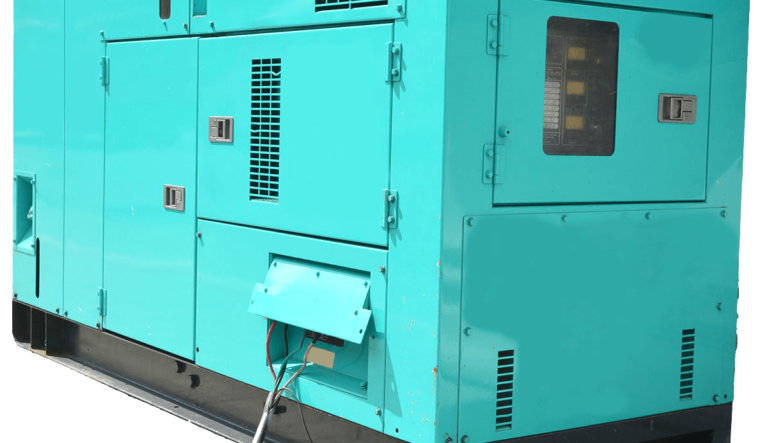
Standby generators are permanently installed units that start automatically when a power outage is detected, typically within seconds. They are capable of powering entire homes, commercial properties, or industrial facilities for extended periods. Their power output is significantly higher than portable or inverter units. They require professional installation, connection to an automatic transfer switch, and a regular maintenance programme. They represent the highest upfront investment of the generator types available but deliver the most reliable and seamless backup power solution.
Solar Generators
Solar generators use photovoltaic panels to capture solar energy and store it in battery systems for later use. They produce no emissions, operate silently, and carry no ongoing fuel costs. Their power output is limited, however, making them unsuitable for heavy loads or extended high-demand applications. Their performance is dependent on sunlight availability, which introduces an element of unreliability in overcast conditions or during extended periods of poor weather.
Single-Phase vs Three-Phase Generators
The distinction between single-phase and three-phase generators is one of the most important and most frequently misunderstood aspects of generator selection. Choosing incorrectly between the two can result in a system that is either incapable of meeting your load requirements or unnecessarily oversized and expensive.
Single-Phase Generators
A single-phase generator produces a single alternating current waveform, delivering power through one live conductor and one neutral conductor. This configuration is standard for residential properties, small offices, and light commercial applications. It is suitable for powering lighting, refrigeration, air conditioning units of moderate capacity, and general-purpose electrical equipment.
Single-phase generators are more affordable, more straightforward to install, and entirely adequate for the power demands of most residential and light commercial users.
Three-Phase Generators
A three-phase generator produces three alternating currents simultaneously, each displaced by 120 degrees from the others. This configuration delivers consistent, balanced power across all three phases, making it the standard for industrial facilities, large commercial buildings, and any application involving heavy machinery, large motors, pumps, or manufacturing equipment.
Three-phase systems distribute electrical load more efficiently than single-phase systems, reduce transmission losses, and provide the stable, balanced power that industrial equipment requires to operate correctly and efficiently.
How to Decide
For residential properties and small commercial applications with moderate power demands, a single-phase generator is the appropriate and most cost-effective choice. For industrial facilities, large commercial properties, or any application involving three-phase motors or heavy equipment, a three-phase generator is essential. If you are uncertain which configuration your installation requires, a qualified electrical engineer can assess your load and advise accordingly.
Key Factors to Consider When Choosing a Generator
Power Requirements
The starting point for any generator selection is an accurate assessment of your power requirements. List every appliance and piece of equipment you need the generator to power simultaneously.
- Note the running wattage of each item,
- Which is the power it consumes during normal operation, and
- The starting wattage, which is the higher power draw that motors and compressors require at the moment of startup.
Add the running wattages of all connected loads and add a margin of 20 to 30 percent to account for starting surges and future load growth. This total gives you the minimum generator capacity you require. A typical residential property powering essential loads including lighting, refrigeration, and air conditioning will generally require between 5,000 and 7,000 watts of generating capacity.
For commercial and industrial applications, a detailed load assessment carried out by a qualified electrical engineer is strongly recommended. Undersizing a generator for a commercial or industrial application carries significant operational and financial consequences.
Fuel Type
The fuel type of a generator affects its running costs, maintenance requirements, storage practicality, and suitability for different applications.
Petrol generators are widely available and relatively affordable to purchase. Petrol has a shorter shelf life than diesel and requires fuel stabiliser for long-term storage. Petrol generators are most suitable for portable and light-duty applications.
Diesel generators are more fuel-efficient and more durable than petrol units, making them the preferred choice for standby and industrial applications. Diesel fuel has a longer shelf life than petrol and is widely available. Diesel generators carry a higher upfront cost and produce more noise than petrol equivalents.
Propane burns more cleanly than petrol or diesel and has an indefinite shelf life when stored correctly. It requires dedicated storage tanks and is less efficient in cold weather conditions.
Natural gas is a convenient fuel source for permanently installed standby generators where a gas supply line is available. It provides a continuous fuel supply without the need for manual refuelling. It requires professional connection to the gas infrastructure and is not suitable for portable applications.
Runtime and Fuel Efficiency
Generator runtime is typically specified at 50 percent of rated load on a full fuel tank. A portable generator will commonly run for between 8 and 12 hours under these conditions. Standby generators connected to natural gas lines can run indefinitely, while diesel and propane standby units require refuelling at intervals of 24 to 48 hours depending on load and tank capacity.
Fuel efficiency becomes increasingly important as generator usage increases. A more fuel-efficient generator reduces running costs significantly over months and years of operation.
Noise Level
Generator noise is a practical consideration, particularly for residential and light commercial installations. Portable generators typically produce between 65 and 75 decibels of noise during operation. Inverter generators are considerably quieter, typically producing between 50 and 60 decibels. Standby generators produce between 60 and 70 decibels but are generally installed at a distance from occupied spaces, which reduces their impact.
Local regulations and neighbourhood considerations may influence your choice of generator type and installation location.
Budget
Generator prices vary considerably across types and capacities. Portable generators are available from approximately $500 to $2,000. Inverter generators typically range from $800 to $3,000. Standby generators, including professional installation, represent an investment of $2,000 to $10,000 or more depending on capacity and configuration.
The purchase price of a generator represents only part of the total cost of ownership. Fuel consumption, maintenance costs, and the availability and cost of spare parts must all be factored into a realistic assessment of long-term value.
Spare Parts Availability
The availability of spare parts in your local market is a factor that is frequently overlooked at the point of purchase and keenly felt during operation. A generator that cannot be serviced promptly due to unavailable parts represents a significant operational risk.
Brands with strong spare parts networks and established service infrastructure in Ghana include Perkins, known for reliable diesel generators with a widespread global parts network; Cummins, which maintains a strong international service and parts network; and Lister-Petter, which is widely used in industrial generator applications across the region.
Before committing to a purchase, verify that the brand you are considering has an established service network and readily available spare parts in your area. The cost of a premium brand with strong local support is invariably lower than the cost of extended downtime while waiting for imported parts.
Warning: Counterfeit Generators and Spare Parts
Perkins, Cummins, and Lister-Petter are among the most trusted and widely recommended generator brands in the world, and for good reason. Their engineering standards, fuel efficiency, durability, and global service networks have earned them a strong reputation across residential, commercial, and industrial markets in Ghana and beyond.
However, their popularity has made them a prime target for counterfeiters. The Ghanaian market, like many markets across West Africa, contains a significant volume of generators and spare parts that carry these brand names but are not genuine products. Counterfeit generators are manufactured to look identical to the original, often bearing convincing logos, serial numbers, and packaging. Counterfeit spare parts are equally difficult to distinguish from genuine components without expert knowledge.
The consequences of purchasing counterfeit generators or spare parts are serious. A fake generator will fail to deliver its rated output, degrade rapidly under load, and may create dangerous electrical conditions including voltage instability, overheating, and fire risk. Counterfeit spare parts compromise the integrity of the entire generator system and can cause failures at the moment the generator is needed most.
Before purchasing any generator or spare part bearing the Perkins, Cummins, or Lister-Petter name, always seek the advice of a qualified generator expert. A certified professional can direct you to authorised distributors and verified suppliers where genuine products are available, verify the authenticity of a generator or component before purchase, and protect you from the financial loss and safety risks that counterfeit products carry.
Do not rely solely on price as a guide. Counterfeit products are frequently priced only marginally below genuine ones precisely to avoid suspicion. The only reliable protection against counterfeit generators and spare parts is purchasing exclusively from authorised and verified sources, guided by a qualified professional who knows the market.
Additional Features to Consider
For Residential and Portable Generators
An electric start system eliminates the effort of manual pull-starting, which is particularly valuable in emergency situations. A built-in carbon monoxide detection system shuts the generator down automatically if dangerous exhaust levels are detected, providing a critical safety function. Multiple outlet configurations allow several appliances to be powered simultaneously. A transfer switch is essential for safely connecting a portable generator to a property’s fixed electrical installation, preventing dangerous back-feeding into the grid.
For Industrial Generators
An automatic voltage regulator maintains stable output voltage, protecting sensitive industrial equipment from the damage caused by power fluctuations. Remote monitoring and control systems allow operators to assess generator status and respond to issues without being physically present at the installation.
Heavy-duty weatherproof and soundproof enclosures protect the generator from environmental conditions and reduce noise impact on surrounding areas. Parallel operation capability allows multiple generators to operate together, providing scalable power output for large or variable loads. Advanced cooling systems maintain efficient operation under sustained heavy load conditions.
Fuel monitoring systems track consumption and support planned refuelling schedules. Load bank testing compatibility allows regular performance verification to confirm that the generator will deliver its rated output when required.
Frequently Asked Questions on choosing the right generator
What size generator do I need for my home?
Calculate the total running wattage of the appliances you need to power simultaneously and add 20 to 30 percent to account for motor starting surges. A typical residential property requiring power for lighting, refrigeration, and air conditioning will generally need between 5,000 and 7,000 watts of generating capacity.
Can I run a generator in the rain?
No. Operating a generator in wet conditions creates a serious risk of electrical short circuits and personal injury. Generators must always be operated in a dry, well-ventilated outdoor location. Use a purpose-designed generator canopy or shelter if you must operate the generator outdoors during wet weather.
How long can a generator run continuously?
Portable generators typically run for 8 to 12 hours on a full fuel tank at 50 percent load. Standby generators connected to a natural gas supply can run indefinitely. Diesel and propane standby units require refuelling at intervals of 24 to 48 hours depending on tank capacity and load.
What is the difference between a portable and standby generator?
Portable generators are movable, manually operated units suitable for temporary or light-duty use. Standby generators are permanently installed, start automatically during a power outage, and are capable of powering an entire property for extended periods. Standby generators require professional installation and represent a higher initial investment.
Do I need a permit to install a standby generator?
Yes. Standby generator installation involves connections to fixed electrical infrastructure and, in some cases, gas supply lines. You must obtain a permit, and a licensed and certified electrical engineer must carry out the installation in compliance with local regulations and the requirements of local authorities. In Ghana, it is the Energy Commission.
How do I know if I need a single-phase or three-phase generator?
Single-phase generators are suitable for residential properties and light commercial applications with moderate power demands. Three-phase generators are required for industrial facilities, large commercial buildings, and any application involving heavy machinery or three-phase motors. A qualified electrical engineer can assess your load and confirm which configuration is appropriate for your installation.
Mega Solution Electrical Engineering: Professional Generator Solutions
Choosing the right generator is a technical decision with significant financial and safety implications. Mega Solution Electrical Engineering Ltd provides comprehensive generator installation and repair services in Ghana for residential, commercial, and industrial clients. Services cover load assessment, generator selection, professional installation, and automatic transfer switch configuration.
Mega Solution Electrical Engineering also provides ongoing maintenance programmes for all generator types and sizes. The company’s licensed engineers match the right generator to the specific power requirements, budget, and operational context of each client. Mega Solution Electrical Engineering works with leading generator brands offering strong spare parts availability and established service networks across Ghana. To arrange a professional consultation and quotation, contact Mega Solution Electrical Engineering Ltd directly.
 Posted on Google
 Amos Appiah
Trustindex verifies that the original source of the review is Google.
Thank you Mega Solution Electrical Engineering for your prompt and Professional Electrical Service in Tema Sakumono( C.O.P Sophia Cudjoe Temple) We will always get in touch for further contracts. Good Job!Posted on Google Emmanuel WilsonI hired a licensed electrician from mega solution electrical in Kumasi, the service was done professionally and met all standards. It gave me peace of mind. I will recommend them to every bodyPosted on Google
 Denzel MintahThey’re the best and most reliable electrical company in Ghana I’ll always recommend them to everyonePosted on Google
 Jessica NgThanks for solving our electrical problem so fast, coming all the way to Cantonments.Posted on Google
 Charles Adom-OpokuMega Solution demonstrates exceptional expertise in genset systems. Their professionalism, technical proficiency, and industry experience set them apart. I highly recommend their services to anyone seeking reliable and knowledgeable partners in this field.Posted on Google
 Giuseppe M_CThis best experience I had in a while, Richard provided all the help I was looking for. Thank you, this is a 10 Stars service!Posted on Google
 Joseph OtooBest electrical company in GhanaPosted on Google
 Junior JesusBest Electrician in Ghana | best electrical engineer at good location | over 30 years experience | good electrical service. Thank you so much. I’m very happy
Always Hire a Professionals
No matter urgent any electrical repairs seem, it’s never okay to attempt to handle them on your own. Trying to take care of electrical problems without professional training is extremely dangerous. If you or someone else aren’t hurt during your attempt, there’s still a chance that you’ve left something undone that poses a huge risk to you, your home, or your family. Visit Our Google Business Profile
Mega Solution Electrical Engineering – Generator Services
Our generator expert services technicians know what a hassle any electrical problems can be, which is why we’ll always respond to any requests for service as quickly as possible. And because all of our technicians are licensed, background checked, and professionally trained, you’re guaranteed to receive the best quality service and workmanship available when you call us. We can assist with all your electric needs including:
- Generator Installation and Repair Services
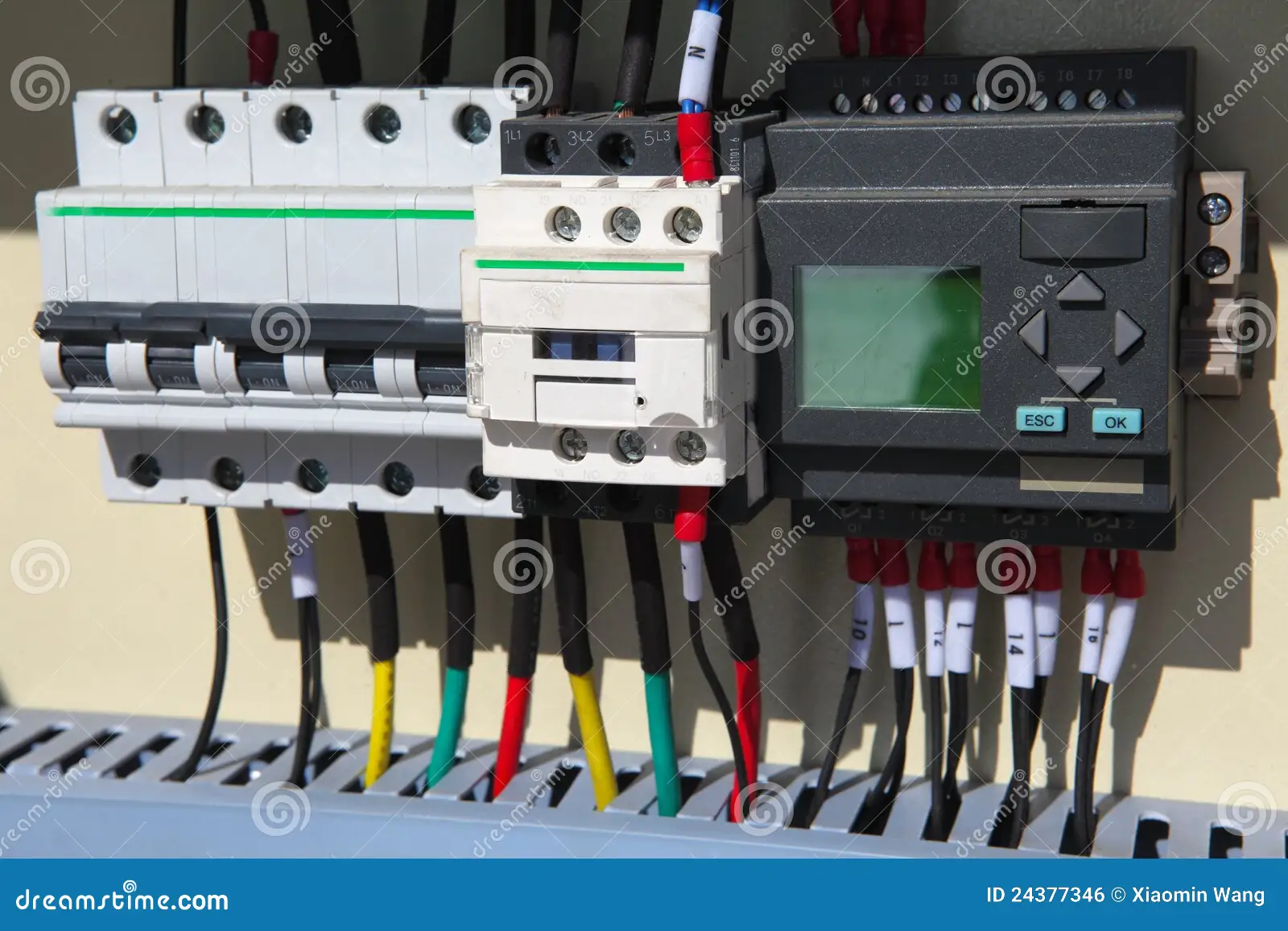
- Best Industrial Electrical Automation services
- Best Electric Motor Rewinding Services
- Earthing Installations and Upgrades Services
- Electro-Mechanical services
- Lighting Installation
- Residential Electrical Installation Services
- Electrical Panel Replacement
- LED Lighting
- Industrial electrical Installation Services
- Electrical Troubleshooting and Repairs
- Professional Electrical Support and Training Services
- Electrical Wiring Design and Engineering Services
- Electrical Energy and Power Auditing Services
- Distribution Panels Fabrication and Upgrades Services
- Professional electrical contractors in Ghana
- Commercial electrical Installation Services
- Licensed Electricians in Ghana
- Home Wiring
- Consulting and Advisory services
- Electrical Wirings Testing and Inspection Services
- Wiring Replacement and Upgrade Services
- Residencial, commercial and Industrial wiring Services
When searching for a reliable electrician, call us at +233 24 415 1232 We specialize in electrical repairs, indoor and outdoor lighting installations, panel upgrades, and even hot tub wiring!

Mega Solution Electrical Engineering Ltd
Mega Solution Electrical Engineering Ltd, a licensed and certified electrical engineering company in Ghana specializing in electrical contracting, generator maintenance, energy audits, and industrial electrical services.
Search
Electrical Wiring Contract – What Can Go Wrong or Right
Generator Service Experts in Ghana, When the Lights Go Out – Mega Solution Electrical to the Rescue!
Categories
- Certified Electricians Ghana
- Earthing Installations
- Earthing Maintenance
- Electrical Consulting
- Electrical Contractors
- Electrical Installation Ghana
- Electrical Maintenance Ghana
- Electrical Repair Ghana
- Electrical Safety
- Electrical Training
- Energy Auditing
- Engineering Services
- Generator Installation
- Generator Maintenance Ghana
- Generator Repair
- Generator Services
- Generator Servicing Ghana
- Ghana Electrical Licensing
- Ghana Electrical Services
- Installation Services
- Licensed Electricians
- Motor Rewinding
- Residential Electrical Service
Archive
| M | T | W | T | F | S | S |
|---|---|---|---|---|---|---|
| 1 | 2 | 3 | 4 | 5 | 6 | |
| 7 | 8 | 9 | 10 | 11 | 12 | 13 |
| 14 | 15 | 16 | 17 | 18 | 19 | 20 |
| 21 | 22 | 23 | 24 | 25 | 26 | 27 |
| 28 | 29 | 30 | ||||
Tags
- Agricultural Engineering
- Cable Sizing
- Commercial Electrical Contracting
- Earthing Installations and Upgrades Services
- Earthing Systems
- Earthing System Upgrades
- Electrical Advisory Service
- Electrical Company
- Electrical Contractors in Ghana
- Electrical Design Ghana
- Electrical Energy and Power Auditing Services
- Electrical Energy Auditing
- Electrical Load Calculation
- Electrical Panel Upgrades
- Electrical Repair Services
- Electrical Safety Training Ghana
- Electrical Services Ghana
- Electrical Training Services Ghana
- Electrical Troubleshooting
- Electrical Wiring Certificate Ghana
- Electrical Wiring Design and Engineering Services
- Electrical Wiring Design Ghana
- Electrical Wiring Installation
- Electrical Wiring Upgrades
- Electrical Workshop Training
- Electricians
- Electricians in Ghana
- Engineering Services Ghana
- Generator experts in Ghana
- Generator Installation and Repair Services
- Generator Maintenance Contracts
- Generator Maintenance Ghana
- Generator Repair Services
- Industrial Electrical Wiring
- Industrial Generator Maintenance
- Industrial generator repair services
- Licensed Electrical Contractors Ghana
- Licensed Electricians in Ghana
- Lightning Protection Systems
- Power Auditing Services
- Professional Electrical Support
- Residential Electrical Installation Ghana
- Three Phase Power
- Voltage Drop
- Workplace Electrical Safety
Prayer Warfare
Recent Comments
